Archetype Retreats
Founded by Angelo Segarra
You’ve built one life.
Now enter the work that reshapes the field beneath it.
High-depth retreats in Bali for individuals and small groups ready for lasting, experiential transformation.
Enter the Retreat FieldThis Is Not Self-Improvement.
Most change begins with refinement. Optimize. Adjust. Try harder. For a time, it works.
But lasting transformation does not begin with improvement. It begins when awareness enters the field itself.
Archetype Retreats are designed for that shift.
Immersive Environment
Small-group retreats in Bali designed for depth, not performance.
Second-Order Change
We work beneath behavior — at the level of structure and field.
Intimate Cohorts
Private, high-attention environments with limited participants.
The Setting Matters.
Transformation does not occur in noise. Our retreats are held in carefully selected environments in Bali — spaces that invite stillness, depth, and sustained reflection.
View Upcoming ImmersionsFounded by Angelo Segarra
Angelo Segarra is a retreat founder and facilitator specializing in second-order change, archetypal orientation, and experiential transformation.
His work bridges philosophy, embodiment, and immersive field environments.
Learn About the Work →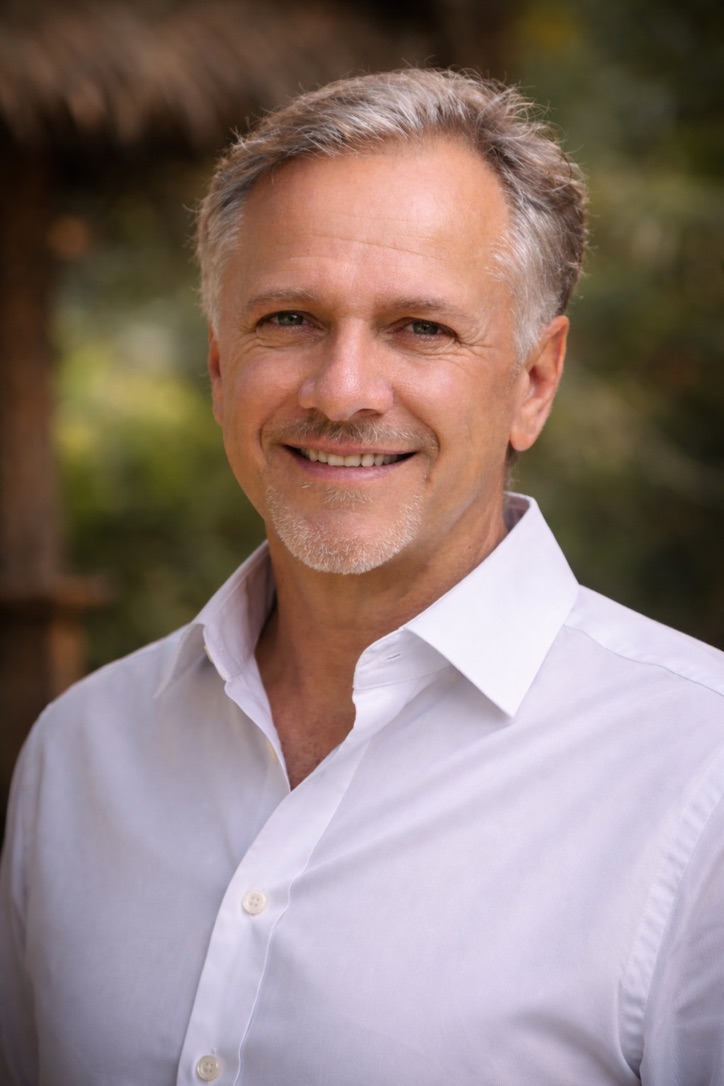
The Intellectual Foundation
The Alchemy of Change explores how awareness reorganizes experience — and forms the philosophical basis of the retreat work.
Explore the Book →The Work Is Not For Everyone.
But for those ready to move beyond refinement and into reorientation — the field is open.
Enter the Retreat Field